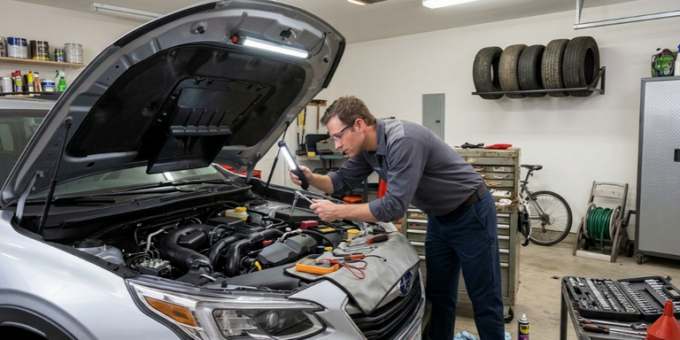
How to Fix Common Car Problems at Home and Save Money is a must-know skill for every car owner who wants to reduce maintenance costs and avoid unnecessary trips to the mechanic. With basic tools and a little knowledge, you can solve many everyday car issues yourself and keep your vehicle running smoothly.
In this guide, we will walk you through the most common car problems and how to fix them step by step. These tips are beginner-friendly, cost-effective, and practical.
Why Learn How to Fix Common Car Problems at Home?
Understanding how to fix common car problems at home and save money offers several benefits. First, it helps you avoid expensive repair bills. Second, it gives you confidence when dealing with emergencies. Finally, it extends the life of your vehicle.
Many people today are looking for ways to save money or even build passive income. Reducing car maintenance costs is a smart financial habit that complements any online business or side hustle.
Essential Tools You Need at Home
Before starting, make sure you have these basic tools:
- Wrench set
- Screwdrivers (flathead and Phillips)
- Car jack and jack stands
- Jumper cables
- Tire pressure gauge
- OBD-II scanner
You can find affordable toolkits on trusted marketplaces like Amazon or local auto stores.
1. How to Fix a Dead Car Battery
Signs of a Dead Battery
Slow engine crank, dim lights, or no response when turning the key.
How to Fix It
Use jumper cables and another vehicle to jump-start your car:
- Connect positive terminals first
- Connect negative terminals
- Start the working car, then yours
If the battery keeps dying, consider replacing it. You can follow a detailed guide here: How to Change a Car Battery.
2. Fixing a Flat Tire at Home
Steps to Replace a Flat Tire
A flat tire is one of the most common issues. Here’s how to fix it:
- Loosen lug nuts slightly
- Lift the car using a jack
- Remove the flat tire
- Install the spare tire
- Tighten lug nuts securely
Check your tire pressure regularly to prevent future issues.
3. How to Fix Overheating Engine
Common Causes
Low coolant, radiator leaks, or faulty thermostat.
Fixing the Issue
Let the engine cool down before opening the hood. Then:
- Check coolant level
- Top up with coolant or water
- Inspect for leaks
Regular maintenance can prevent overheating problems.
4. Replacing Worn-Out Brake Pads
If you hear squeaking or grinding noises, your brake pads may be worn.
Steps to Replace Brake Pads
- Remove the wheel
- Take out the old brake pads
- Install new ones
- Reassemble everything
For a detailed guide, check our internal resource: How to Replace Brake Pads.
5. Fixing Engine Warning Lights
The check engine light can be intimidating, but it often indicates minor issues.
What to Do
Use an OBD-II scanner to read the error code. Common fixes include:
- Tightening a loose gas cap
- Replacing spark plugs
- Fixing oxygen sensors
You can learn more from Consumer Reports.
6. Fixing Car Air Conditioning Issues
If your AC is not cooling properly, it may be due to low refrigerant.
Quick Fix
- Check refrigerant levels
- Use a recharge kit
- Inspect for leaks
This simple fix can save you hundreds of dollars.
7. Replacing Windshield Wipers
Worn wipers reduce visibility and safety.
Steps
- Lift the wiper arm
- Remove the old blade
- Attach a new blade
This takes less than 5 minutes and improves driving safety instantly.
8. Fixing Minor Scratches and Paint Damage
Small scratches can make your car look old.
DIY Fix
- Clean the area
- Use scratch remover
- Apply polish
For deeper scratches, consider professional help.
Tips to Save More Money on Car Maintenance
Learning how to fix common car problems at home and save money is just the beginning. Follow these tips:
- Perform regular inspections
- Stick to maintenance schedules
- Use quality parts
- Watch DIY tutorials
Saving money on car repairs can free up funds for investments or even starting a dropshipping business or exploring affiliate marketing. Many people compare affiliate vs dropshipping when building income streams, and cutting unnecessary expenses helps in both cases.
When to Call a Professional
Not all problems should be handled at home. Seek professional help if:
- You hear unusual engine noises
- The issue involves transmission
- You lack proper tools
Safety should always come first.
Conclusion
Mastering how to fix common car problems at home and save money empowers you to take control of your vehicle maintenance. With simple tools and basic knowledge, you can handle many common issues without spending a fortune.
Start with small repairs and gradually build your confidence. Over time, these skills will save you money and make you a more responsible car owner.
