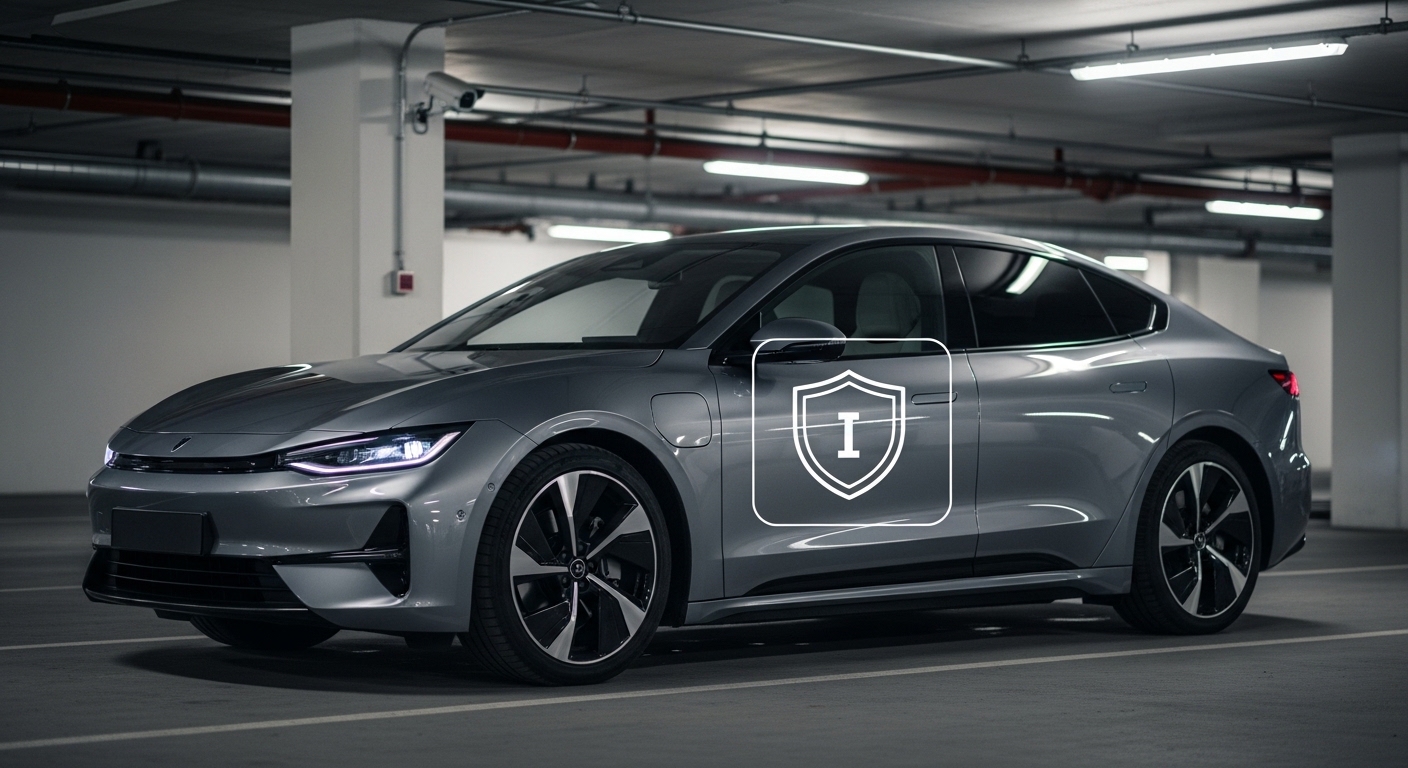
Your vehicle is more than a way to get from point A to point B. For most people, it is one of the largest financial commitments they make outside of housing. That is why automotive insurance plays a critical role in protecting your vehicle investment over the long term. Choosing the right policy can save you thousands of dollars, reduce stress after accidents, and preserve your car’s resale value.
This guide explains how to select the right coverage, avoid common mistakes, and maximize value without overpaying. Whether you own a new luxury car or a reliable used vehicle, smart insurance decisions directly affect your financial return.
Why Automotive Insurance Is Essential for Vehicle Protection
Automotive insurance is not just a legal requirement in most countries. It is a financial safety net designed to protect you from unexpected losses. Accidents, theft, vandalism, and natural disasters can happen at any time. Without adequate coverage, repair or replacement costs can quickly drain your savings.
Think of insurance the same way you would think about risk management in an online business. You invest upfront to protect future earnings and assets. In this case, the asset is your vehicle.
The True Cost of Being Underinsured
Many drivers choose the cheapest policy available. While this lowers monthly premiums, it often leads to higher out-of-pocket expenses after an accident. Medical bills, legal fees, and vehicle repairs can exceed basic coverage limits.
According to the Insurance Information Institute, the average collision claim can cost several thousand dollars, depending on vehicle type and damage severity. Proper coverage helps you avoid turning a minor accident into a major financial setback.
Learn more from the Insurance Information Institute.
Understanding the Main Types of Automotive Insurance Coverage
Before choosing a policy, you need to understand the core coverage types. Each serves a different purpose in protecting your vehicle investment.
Liability Coverage
Liability insurance covers damage or injuries you cause to others. While it does not pay for your own car repairs, it protects you from lawsuits and legal claims. Higher liability limits are especially important if you own valuable assets.
Collision Coverage
Collision insurance pays for damage to your vehicle after an accident, regardless of who is at fault. This coverage is essential for newer cars or vehicles with high market value.
Comprehensive Coverage
Comprehensive insurance protects against non-collision incidents such as theft, fire, flooding, and vandalism. If you live in an area prone to extreme weather or high crime, this coverage is critical.
Personal Injury Protection and Medical Payments
These cover medical expenses for you and your passengers. Medical costs can rise quickly, making this coverage an important part of a well-rounded policy.
How to Choose the Right Automotive Insurance for Your Vehicle
Selecting the right policy requires balancing coverage, cost, and risk. The goal is to protect your investment without paying for unnecessary extras.
Evaluate Your Vehicle’s Current Value
Your car’s age, mileage, and resale value should guide your coverage choices. For newer vehicles, full coverage is often worth the cost. For older cars, you may choose to reduce collision coverage if repair costs exceed market value.
Assess Your Driving Habits
Drivers with long daily commutes or frequent highway travel face higher accident risks. If you drive often, stronger coverage can provide better long-term protection.
Compare Multiple Insurance Providers
Never settle for the first quote you receive. Comparing multiple insurers helps you find better rates and more flexible policies. Look beyond price and examine claim handling, customer service, and financial stability.
Independent safety and vehicle data from the Insurance Institute for Highway Safety can also influence insurance costs and coverage decisions.
Deductibles, Premiums, and Long-Term ROI
Insurance decisions should be viewed through a return-on-investment lens. A lower deductible means higher premiums but less out-of-pocket expense after a claim. A higher deductible lowers premiums but increases risk.
This tradeoff is similar to building passive income streams. You accept small, predictable costs now to reduce the risk of large losses later.
Finding the Optimal Balance
If you have strong emergency savings, a higher deductible may make sense. If not, a lower deductible provides peace of mind and financial stability.
Discounts and Smart Ways to Lower Insurance Costs
Protecting your vehicle investment does not mean overpaying. Many insurers offer discounts that reduce premiums without reducing coverage quality.
Common Discounts to Look For
Safe driver discounts, multi-policy bundles, anti-theft device discounts, and low-mileage programs are common. Usage-based insurance programs can also reward responsible driving.
Much like scaling an affiliate marketing strategy or optimizing a dropshipping business, small improvements add up over time. A few discounts can result in significant annual savings.
Common Automotive Insurance Mistakes to Avoid
Even experienced drivers make costly insurance mistakes. Avoiding these errors can protect both your vehicle and your finances.
Choosing Price Over Coverage
The cheapest policy often provides the least protection. Low limits and exclusions can lead to financial stress after an accident.
Ignoring Policy Updates
Your insurance needs change over time. Vehicle upgrades, relocation, or lifestyle changes should trigger a policy review.
Not Understanding Policy Exclusions
Always read the fine print. Knowing what is not covered is just as important as knowing what is covered.
Automotive Insurance as Part of a Broader Financial Strategy
Insurance should align with your broader financial goals. Protecting your vehicle helps preserve resale value and reduces unexpected expenses.
Many people view their cars as depreciating assets. While that is true, proper insurance slows financial loss and stabilizes ownership costs. This mindset is similar to choosing between affiliate vs dropshipping when building income streams. The right structure minimizes risk and maximizes returns.
Final Thoughts: Protect Your Vehicle, Protect Your Wealth
The right automotive insurance is not an expense. It is a strategic investment in financial security. By understanding coverage types, comparing providers, and avoiding common mistakes, you can protect your vehicle investment for years to come.
Take time to review your current policy today. Small adjustments now can prevent large losses later and ensure your vehicle remains a valuable and reliable asset.
