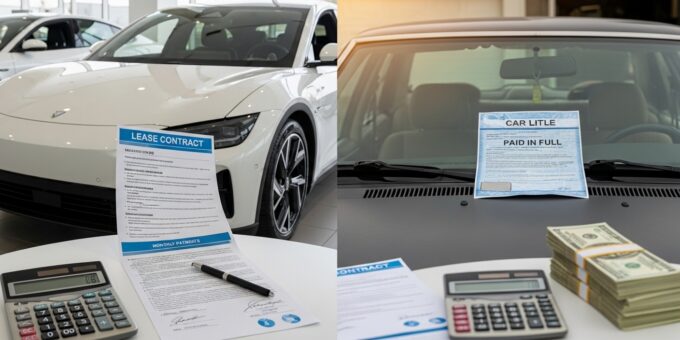
Deciding how to lease vs buy a car is one of the biggest financial choices many drivers face. A car is often the second-largest purchase after a home. The wrong decision can cost you thousands of dollars over time.
Some people prefer lower monthly payments. Others want long-term ownership and equity. The key question remains: Which option saves you more money?
In this complete guide, we break down the real costs, benefits, risks, and long-term financial impact of leasing vs buying a car. By the end, you will know which option fits your budget, lifestyle, and financial goals.
Understanding How to Lease vs Buy a Car
What Does It Mean to Lease a Car?
When you lease a car, you essentially rent it for a fixed period, usually 24 to 36 months. You pay for the vehicle’s depreciation during that time, plus interest and fees.
At the end of the lease, you can:
- Return the vehicle
- Buy it at a preset price
- Lease a new vehicle
Leasing typically comes with mileage limits and wear-and-tear restrictions.
What Does It Mean to Buy a Car?
Buying a car means you own it outright. You can pay in cash or finance it with an auto loan. Once the loan is paid off, the car belongs to you.
You can drive unlimited miles. You can modify the car. And you can sell it whenever you choose.
Monthly Payment Comparison: Lease vs Buy
One major reason people choose leasing is the lower monthly payment.
Why Leasing Usually Costs Less Per Month
When you lease, you only pay for the car’s depreciation during the lease term. You are not paying for the full vehicle value.
For example:
- $35,000 car purchase loan = higher monthly payment
- $35,000 car lease = payment based on expected depreciation
This often makes leasing look more affordable in the short term.
Why Buying Has Higher Payments
When buying, your payments cover the entire vehicle price plus interest. That means higher monthly costs.
However, once the loan is paid off, your payment drops to zero. That long-term benefit is important when analyzing how to lease vs buy a car.
Long-Term Cost Analysis: Which Saves More?
The real difference appears over time.
Leasing Over 6–9 Years
If you lease every three years, you will always have a car payment. You build no equity. You continuously pay for depreciation.
Over nine years, leasing three different cars can cost significantly more than owning one vehicle long term.
Buying Over 6–9 Years
When you buy and keep a car for seven to ten years, you eventually eliminate monthly payments. Your only costs become maintenance, insurance, and fuel.
This is where buying often wins financially. The longer you keep your vehicle, the more you save.
According to consumer data from Consumer Reports, long-term ownership is generally more cost-effective for most drivers.
Upfront Costs Comparison
Leasing Upfront Costs
- First month’s payment
- Security deposit (sometimes)
- Acquisition fees
- Down payment (optional)
Leasing often requires less cash upfront compared to buying.
Buying Upfront Costs
- Down payment (often 10–20%)
- Taxes and registration
- Dealer fees
Buying usually requires more cash at the start. However, that investment builds ownership value.
Maintenance and Repair Costs
Leasing Benefits
Most leases last during the manufacturer’s warranty period. This reduces repair risk. You typically drive a newer vehicle with fewer mechanical issues.
Buying Considerations
After the warranty expires, repair costs increase. However, modern vehicles are more reliable than ever.
Strategic maintenance planning can reduce long-term costs. Resources like Edmunds provide cost comparisons for different models.
Mileage Limits and Usage Flexibility
One major factor in how to lease vs buy a car is your driving habits.
Leasing Mileage Restrictions
Most leases limit mileage to 10,000–15,000 miles per year. Exceeding this limit results in penalties.
If you commute long distances, leasing may become expensive.
Buying Freedom
When you own a vehicle, you can drive unlimited miles. There are no penalties. This makes buying ideal for high-mileage drivers.
Resale Value and Equity
Leasing: No Ownership
At lease end, you return the car. You do not benefit from resale value unless you buy it at the residual price.
Buying: Building Equity
When you buy, your car becomes an asset. You can sell or trade it in.
If the vehicle maintains strong resale value, you recover part of your investment.
This is one of the biggest financial advantages when evaluating how to lease vs buy a car.
Insurance Costs
Leased vehicles often require higher insurance coverage limits. Lenders want protection.
Owned vehicles allow more flexibility in coverage options once the loan is paid off.
Insurance costs should always be factored into total ownership analysis.
Psychological and Lifestyle Factors
Money is not the only factor.
Why Some People Prefer Leasing
- Always driving a new car
- Latest technology and safety features
- No long-term repair worries
Why Others Prefer Buying
- No mileage restrictions
- Long-term savings
- Ownership pride
- Ability to customize
Your lifestyle and preferences matter as much as the financial math.
Opportunity Cost: Investing the Difference
If leasing results in lower monthly payments, you could invest the savings.
For example, you might invest extra funds into the stock market or build an online business.
Some people use savings to start affiliate marketing projects or a dropshipping business. These ventures can generate passive income over time.
While affiliate vs dropshipping comparisons often focus on startup costs, both models require discipline and marketing effort.
The point is simple: If leasing frees up cash and you invest it wisely, it could offset long-term ownership advantages.
When Leasing Makes More Financial Sense
Leasing may be better if:
- You prefer lower monthly payments
- You drive fewer miles annually
- You like upgrading every 2–3 years
- You can invest the savings effectively
Leasing works well for drivers who value convenience and predictable costs.
When Buying Saves You More Money
Buying is often better if:
- You plan to keep the car long term
- You drive high mileage
- You want to eliminate payments eventually
- You prefer ownership flexibility
For most financially disciplined individuals, buying and holding a vehicle for many years typically results in lower lifetime cost.
Real Example: 8-Year Comparison
Let’s compare:
Scenario A: Leasing
$400/month lease × 96 months = $38,400
No ownership at the end.
Scenario B: Buying
$550/month loan × 60 months = $33,000
Plus maintenance for 3 additional years = $4,500
Total ≈ $37,500
Car still has resale value.
In this simplified example, buying slightly wins financially, especially when resale value is considered.
Final Verdict: How to Lease vs Buy a Car
So, how to lease vs buy a car and truly save money?
If your goal is short-term affordability and flexibility, leasing can make sense.
If your goal is long-term wealth building and lower total cost, buying usually wins.
The smartest approach is to calculate total cost over at least six to eight years. Focus on full ownership cost, not just monthly payments.
Ultimately, the option that saves you more money depends on:
- Your driving habits
- Your financial discipline
- Your investment strategy
- Your long-term plans
Make the decision based on math, not emotion. When you understand the complete financial picture, choosing between leasing and buying becomes much easier.
