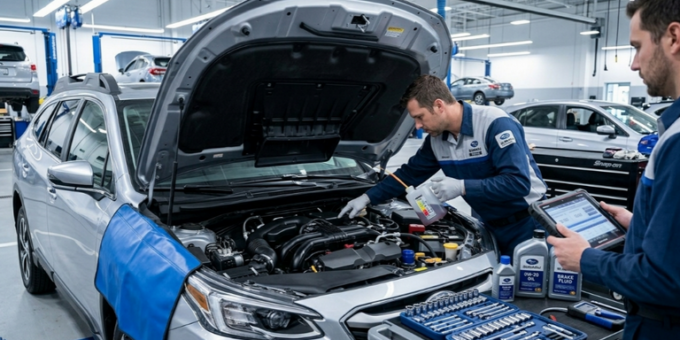
Learning How to Maintain Your Car for Long-Term Performance & Reliability is one of the most important skills for any vehicle owner. A well-maintained car not only lasts longer but also performs better, consumes less fuel, and reduces unexpected repair costs.
Many drivers only think about maintenance when something goes wrong. However, consistent care prevents major breakdowns and ensures your car stays dependable for years. In this guide, you will learn practical, easy-to-follow steps to protect your vehicle’s engine, improve efficiency, and maximize long-term value.
Whether you are a daily commuter or someone who uses a car occasionally, these strategies will help you maintain peak performance while saving money over time.
Why Long-Term Car Maintenance Matters
Proper maintenance is the foundation of vehicle reliability. Ignoring small issues often leads to bigger and more expensive repairs. Regular servicing improves engine efficiency, enhances safety, and increases resale value.
Think of your car like a business system. Just like affiliate marketing or a dropshipping business, success depends on consistent optimization. Without monitoring performance, even a profitable online business can fail. Similarly, your car requires continuous attention to deliver long-term results.
This is why smart owners treat maintenance as an investment, not an expense. Much like building passive income, the effort you put in today ensures stability in the future.
1. Follow a Regular Engine Maintenance Routine
The engine is the heart of your car. To ensure How to Maintain Your Car for Long-Term Performance & Reliability, you must prioritize engine care.
Key Engine Maintenance Tips
Start by changing engine oil regularly. Oil lubricates moving parts and prevents overheating. Dirty oil reduces performance and damages internal components.
Replace air filters to ensure clean airflow. A clogged filter reduces fuel efficiency and engine power. Also, inspect spark plugs periodically for smooth ignition and combustion.
For more details, visit this engine maintenance guide.
2. Monitor and Replace Essential Fluids
Your vehicle depends on multiple fluids to function properly. These include engine oil, coolant, brake fluid, transmission fluid, and power steering fluid.
Low or contaminated fluids can lead to serious damage. For example, overheating occurs when coolant levels drop. Brake failure risk increases when brake fluid is old.
Best Practices for Fluid Maintenance
Check fluid levels every month. Look for leaks under your vehicle. Always use manufacturer-recommended fluids for best performance.
This step is just as important as optimizing a dropshipping business system. Without proper tracking, performance declines quickly, just like a neglected vehicle system.
3. Maintain Tires and Brake Systems
Tires and brakes directly affect safety. Proper care improves handling, fuel efficiency, and stopping power.
Tire Maintenance Tips
Check tire pressure weekly. Under-inflated tires reduce mileage and increase wear. Rotate tires every 8,000–10,000 km to ensure even usage.
Inspect tread depth regularly. Worn-out tires reduce grip, especially on wet roads.
Brake System Care
Listen for unusual noises when braking. Squeaking may indicate worn brake pads. Replace them early to avoid damage to rotors.
For safety reference, you can explore brake safety guidelines.
4. Keep the Battery and Electrical System Healthy
A weak battery can leave you stranded unexpectedly. Proper maintenance ensures smooth ignition and reliable electrical performance.
Clean battery terminals to prevent corrosion. Check voltage regularly, especially before long trips. Replace batteries every 2–3 years depending on usage.
Modern vehicles rely heavily on electronics. Faulty wiring or alternator issues can cause multiple system failures.
This is similar to managing affiliate marketing systems where one weak link can affect overall performance. Consistency ensures stability.
5. Maintain Interior and Exterior Cleanliness
Cleaning your car is not just about appearance. It also protects paint, upholstery, and internal components.
Exterior Care
Wash your car regularly to remove dirt, salt, and pollutants. Apply wax every few months to protect the paint from damage and UV exposure.
Interior Care
Vacuum seats and carpets to prevent dust buildup. Clean dashboards and air vents to maintain air quality inside the car.
Good cleanliness also improves resale value significantly.
6. Improve Driving Habits for Long-Term Performance
Your driving style has a major impact on vehicle lifespan. Aggressive driving increases fuel consumption and accelerates wear and tear.
Avoid sudden acceleration and hard braking. Maintain steady speeds whenever possible. Warm up your engine before driving in cold conditions.
Good driving habits are like running a well-optimized online business. Smooth operations lead to better long-term results and reduced risks.
7. Follow a Preventive Maintenance Schedule
Preventive maintenance is the most effective way to ensure How to Maintain Your Car for Long-Term Performance & Reliability. Instead of waiting for problems, you fix them before they occur.
Create a service schedule based on mileage and manufacturer recommendations. Keep a record of oil changes, filter replacements, and inspections.
Use reminders or apps to stay consistent. This habit reduces unexpected breakdowns and extends vehicle life.
8. Save Money Through Smart Maintenance Strategies
Regular maintenance reduces long-term repair costs significantly. Replacing a small part early is always cheaper than fixing major engine damage later.
This concept is similar to building passive income. Small, consistent efforts create long-term financial stability. Likewise, small maintenance actions ensure long-term car reliability.
You can also reduce costs by learning basic DIY maintenance like checking fluids, replacing wipers, or changing air filters.
For more automotive tips, explore car care resources.
Conclusion
Understanding How to Maintain Your Car for Long-Term Performance & Reliability is essential for every car owner. With consistent care, proper inspections, and smart driving habits, you can extend your vehicle’s lifespan and improve its performance.
Think of your car as a long-term investment. Just like scaling a dropshipping business or building affiliate marketing income, success comes from consistency, attention to detail, and long-term thinking.
By following the steps in this guide, you ensure safety, reduce costs, and enjoy a smoother driving experience for years to come.
